What is a Raft in 3D Printing?
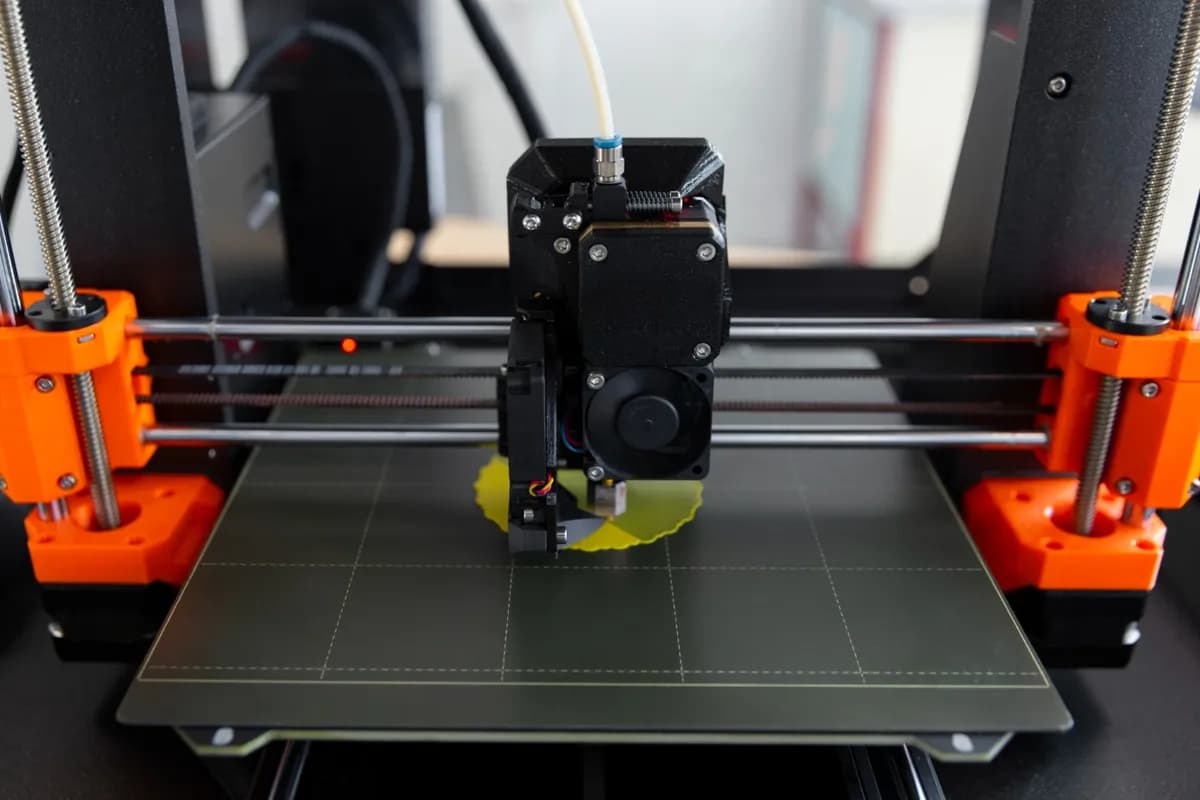
A raft in 3D printing is a layer or multiple layers of material printed underneath the actual model. These foundational layers help the model stick better to the print bed. Rafts prevent warping, particularly with materials prone to shrinkage like ABS plastic.
The raft functions as more than just a first layer—it serves as a stabilizing support structure during printing. Once completed, the actual model prints on top of this base. Typically composed of grid or solid patterns, rafts ensure smoothness and stability underneath models.

The Purpose of a Raft in 3D Printing
The primary function involves increasing adhesion between the model and the print bed, preventing the model from warping or detaching. This proves especially critical with materials like ABS or nylon that shrink during cooling.
Additionally, rafts smooth out print surfaces when beds aren't perfectly level, compensating for minor imperfections and creating a more reliable base layer for models.
When Should You Use a Raft?
Rafts aren't necessary for every project. Consider using one when:
- Warp-prone materials: Materials like ABS or nylon require rafts to prevent lifting off the bed
- Small surface area at the base: Models with minimal contact points benefit from rafts' larger surface area
- Uneven print bed: Rafts stabilize printing on imperfect surfaces
The Difference Between Raft and Brim
While both support model stability, these structures differ significantly:
- Raft: A complete support structure that usually covers the entire bottom of the model, printing multiple material layers underneath
- Brim: A single-layer outline around the model, like the brim of a hat, extending around outer edges only
When to Choose Raft or Brim?
Selection depends on model characteristics. Tall models with small bases benefit from rafts' stronger support. Shorter models needing minimal adhesion work better with brims, using less material and easier removal.

How to Remove a 3D Printing Raft?
After printing, follow these removal techniques:
- Cool the model: Allow complete cooling before removal—this aids easy detachment without damage
- Use tools: Scrapers or thin blades help separate rafts from model bottoms; handle gently to avoid surface damage
- Peel it off by hand: For softer materials, gradual peeling prevents model damage
Exercise care with delicate or thin-walled models to avoid applying excessive force to the base.

Why Is Using a Raft Important in 3D Printing?
Using a raft significantly increases the success rate of your prints, especially when printing complex models or using materials that tend to warp. Rafts provide stronger adhesion, ensure stability, and compensate for minor bed unevenness, guaranteeing smoother first layers.
Though rafts increase material consumption and print time, their benefits often outweigh these costs, reducing print failures and improving overall quality.